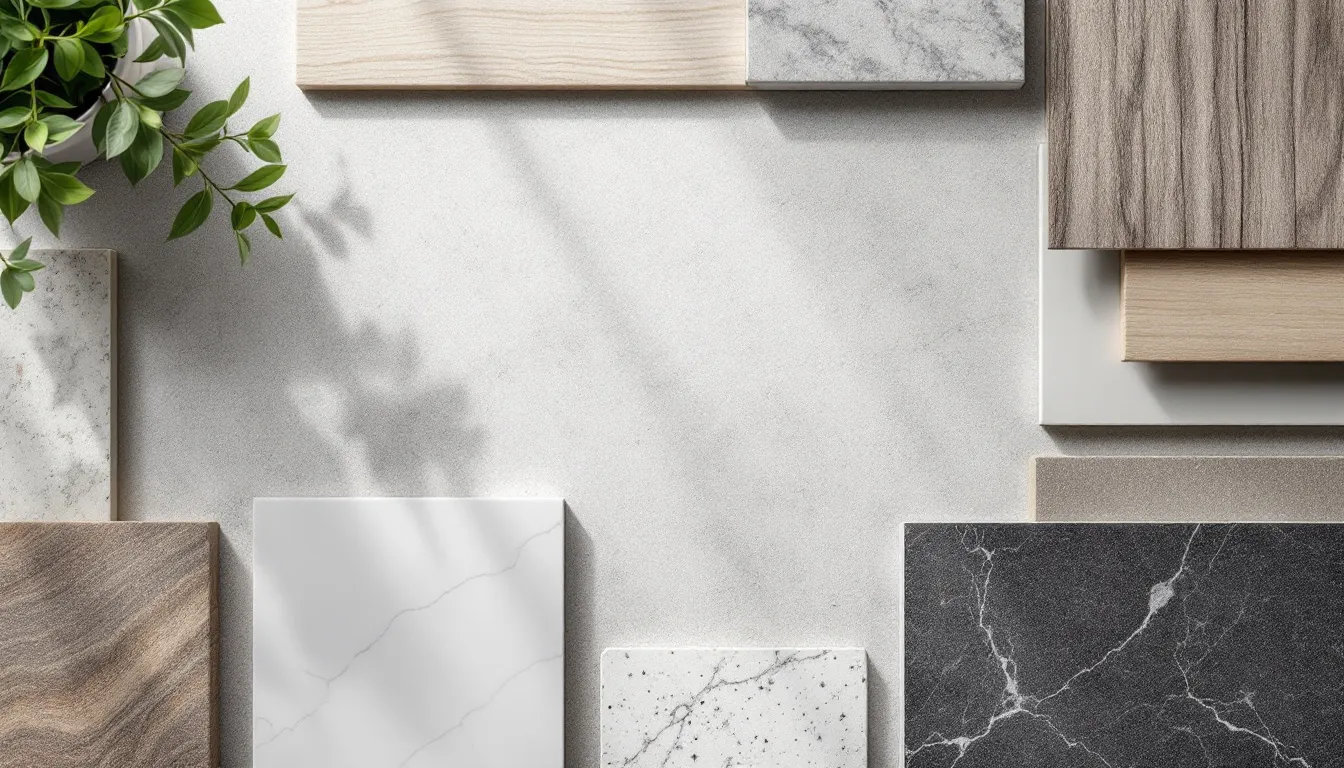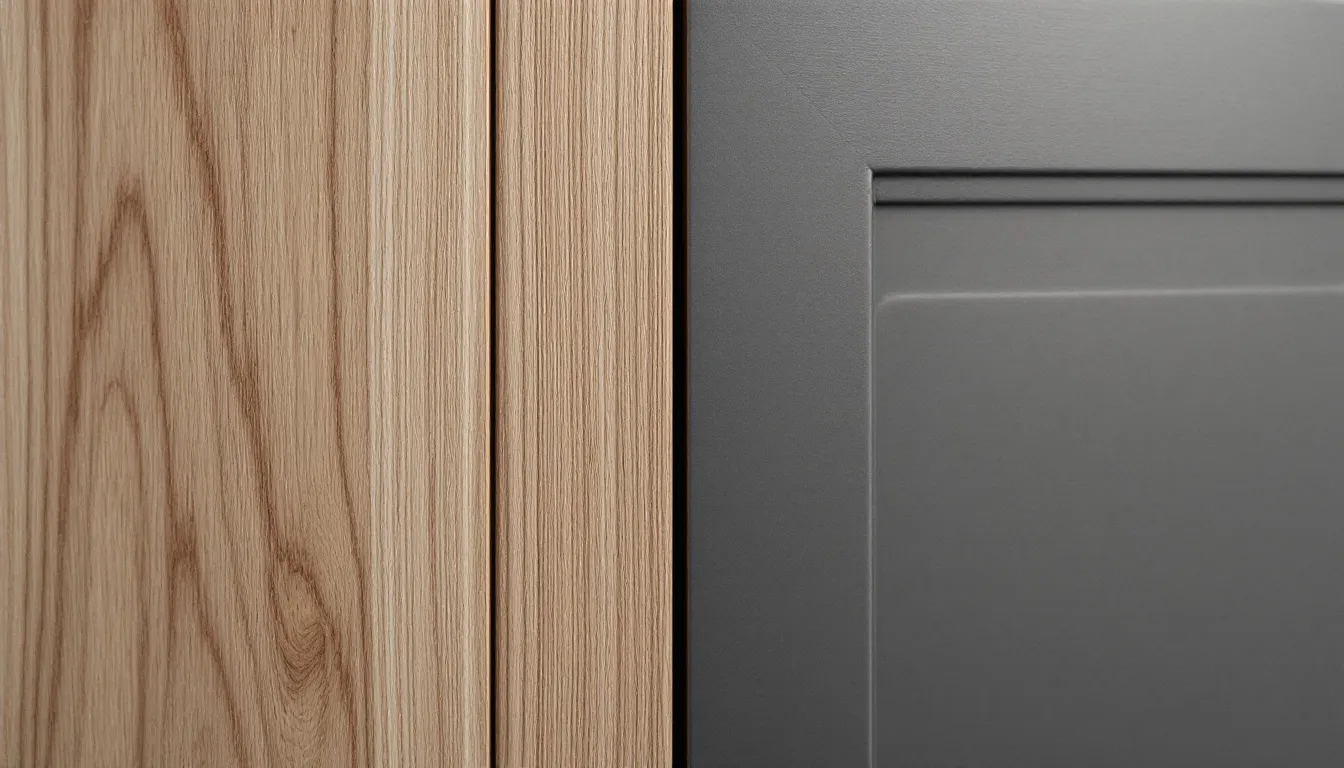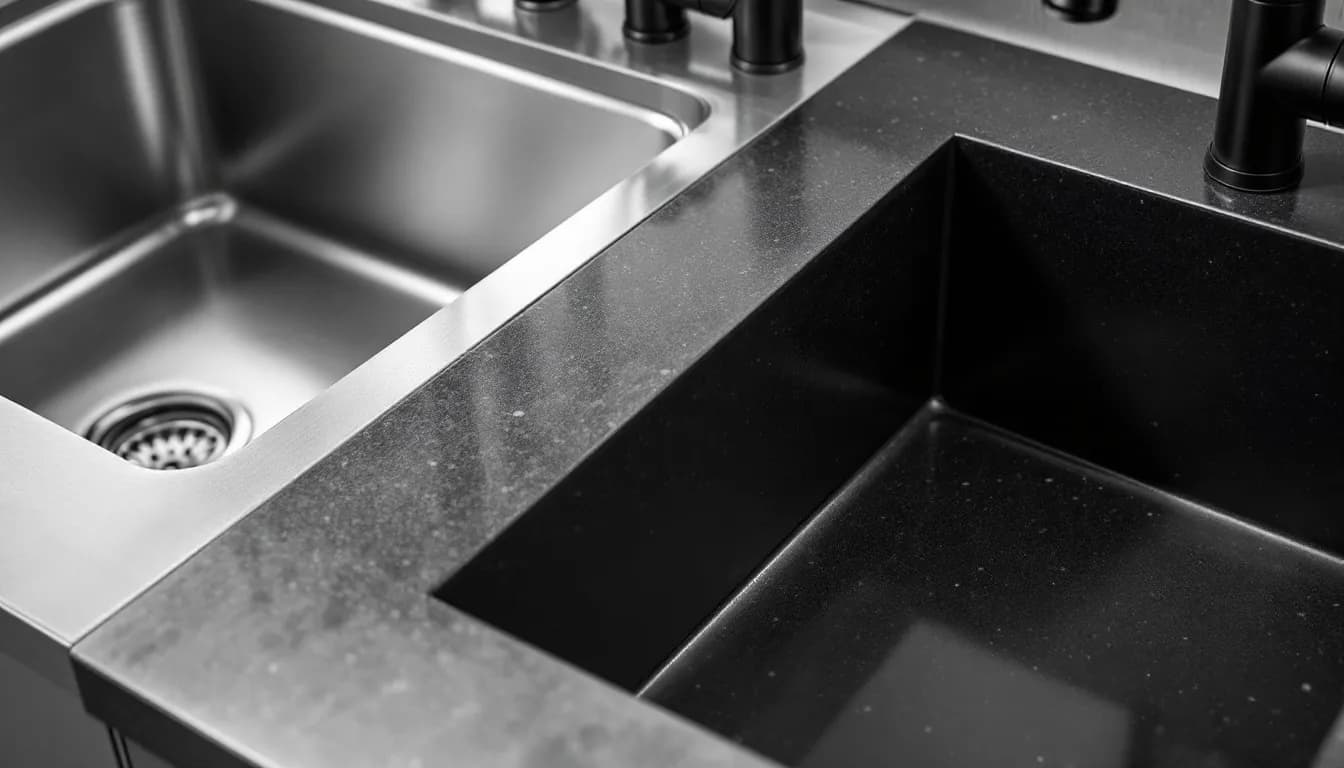
The sink is the most used element of your kitchen, well ahead of the hob or the oven. The choice between a stainless steel bowl and a synthetic granite one shapes the ambient noise while you wash up, the feel under the hand, the daily upkeep, and the visual coherence with the worktop. Neither family wins on every count: it comes down to choosing according to how you actually use it.
Brushed stainless steel: the timeless safe bet
Stainless steel remains the benchmark of professional kitchens, and that is no accident. The steel bowl withstands thermal shocks without flinching, accepts scorching pans set down for a moment, and wipes clean with a single pass of the sponge. The brushed finish perfectly masks the micro-scratches that inevitably appear with use.
Visually, stainless steel outlasts fashions. It suits a very contemporary kitchen in matt lacquers just as well as a warmer project in wood veneer. An undermounted steel bowl marries any stone or engineered quartz worktop, with no break in colour.
The downside is well known: stainless steel is noisy. A poorly insulated bowl produces a metallic clang every time you set down a utensil. Top-of-the-range models incorporate a sound-deadening coating on the underside that clearly reduces the effect, without removing it entirely.
Synthetic granite: silence and tactile warmth
Under the generic term granite, the trade today refers to composites such as Silgranit, mixes of ground quartz and resin. These materials have changed the game. They resist heat within reasonable limits, take knocks, and offer a palette of matt shades that integrates very well with contemporary worktops: anthracite, sand beige, stone grey, deep black.
The great advantage of synthetic granite lies in its silence. A composite bowl absorbs the noise of cutlery and pans in a way stainless steel can never approach. The touch is warmer, less metallic, which changes the feel of the washing-up day to day.
On upkeep, modern synthetic granites resist staining well, provided you rinse after contact with strongly colouring liquids such as coffee or wine. A periodic descale with diluted vinegar keeps their original look.
Brushed stainless steel
Stainless steel
- Tolerant of direct heat
- Timeless, suits every worktop
- Noisier under water and pans
- Micro-scratches masked by the brushed finish
Silgranit
Synthetic granite
- Matt, warm touch
- Quiet, absorbs the knocks of cutlery
- Palette of shades for integration with the worktop
- Watch out for strongly colouring liquids
The selection criteria that really matter
To steer your choice, ask yourself four concrete questions. Do you do a lot of noisy washing-up, pans and gratin dishes? Granite wins. Do you regularly set very hot pans straight into the bowl? Stainless steel stays more tolerant. Are you after a visual match in a precise shade of the worktop? Granite opens up a palette stainless steel cannot reproduce. Do you work with strongly colouring foods every day? Stainless steel asks for less vigilance.
Capacity also comes into play: large single granite bowls, deep and wide, have become very popular in open-plan kitchens. They let you handle a whole baking tray in the wash, something traditional double bowls do not always allow.
Integration into the worktop
The way it is fitted changes the perception as much as the material does. An undermounted bowl, fitted from below, keeps the worktop clean to read and makes cleaning easier. A flush-mounted bowl, with its edges level with the worktop, offers the purest reading but calls for a very precise fit. A surface-mounted bowl, set on top, still makes sense for certain projects with character, particularly with a farmhouse-style ceramic sink bowl.
Deciding by your kitchen
Ultimately, the choice comes down to a hierarchy of gestures. If you often set very hot pans into the bowl, stainless steel stays more tolerant. If silence and touch matter more, or if you are after a shade that extends the worktop, synthetic granite takes the lead. In both cases, one final reflex pays off: touch the bowl, listen to the sound of a pan set down inside it, and look at it against a worktop material close to your own. It is this few-minute check that separates a sink you put up with from a sink you chose.
The sink is never decided on its own: it is its harmony with the worktop that gives the kitchen its unity. To carry on thinking about this large surface that converses with the bowl, see our guide Ceramic worktops: everything to know before choosing.